Expert Tips for a Stress-Free Hindu Ceremony at Home

Planning a Hindu ceremony at home can be both exciting and overwhelming. The rich traditions, rituals, and vibrant celebrations are a source of joy, but they can also lead to stress if not managed well. Whether it’s a wedding, a naming ceremony, or a festival celebration, the key to a successful event lies in careful planning and organization. In this post, we will explore expert tips to help you create a memorable and stress-free Hindu ceremony at home.
Understanding the Significance of the Ceremony
Before diving into the logistics, it’s essential to understand the significance of the ceremony you are planning. Each Hindu ceremony has its own unique rituals and meanings. For instance:
Weddings: Symbolize the union of two souls and the beginning of a new family.
Naming Ceremonies: Celebrate the arrival of a new child and introduce them to the community.
Festivals: Honor deities and celebrate cultural heritage.
Understanding the purpose of the ceremony will guide your planning and help you convey its importance to your guests.
Setting a Budget
Establishing a budget is crucial to avoid overspending and unnecessary stress. Consider the following when setting your budget:
Venue: Since you are hosting at home, this may save costs, but consider any necessary rentals (e.g., tents, chairs).
Decorations: Allocate funds for flowers, lights, and other decorative items.
Catering: Decide whether you will cook, hire a caterer, or ask family members to contribute dishes.
Ritual Items: Ensure you have all necessary items for the rituals, such as puja thalis, flowers, and offerings.
By setting a clear budget, you can prioritize your spending and make informed decisions.
Creating a Guest List
A well-thought-out guest list is essential for any ceremony. Consider the following tips:
Immediate Family: Always start with close family members.
Friends and Extended Family: Include those who are significant to you and your family.
Capacity: Ensure your home can comfortably accommodate your guests.
Once you have your list, send out invitations well in advance. This allows guests to plan accordingly and helps you manage food and seating arrangements.
Choosing the Right Date and Time
Selecting the right date and time is vital for a successful ceremony. Consider the following:
Auspicious Dates: Consult with a priest or use a Hindu calendar to find an auspicious date for your ceremony.
Time of Day: Many ceremonies are performed in the morning or early evening. Ensure you choose a time that works for your guests.
Once you have a date and time, communicate this clearly to your guests.
Planning the Rituals
Each Hindu ceremony involves specific rituals that must be performed in a particular order. Here are some tips for planning the rituals:
Consult a Priest: If possible, hire a priest who can guide you through the rituals and ensure they are performed correctly.
Create a Schedule: Outline the sequence of rituals and allocate time for each. This will help keep the ceremony on track.
Prepare Ritual Items: Make a checklist of all items needed for the rituals, such as flowers, fruits, and other offerings.
By planning the rituals in advance, you can ensure everything runs smoothly on the day of the ceremony.
Decorating Your Home
The ambiance of your home plays a significant role in the overall feel of the ceremony. Here are some decoration ideas:
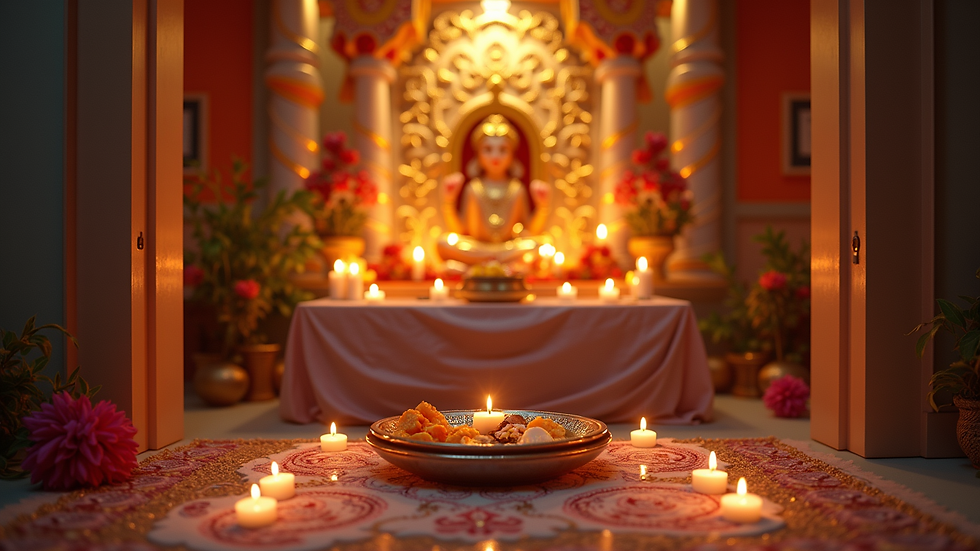
Altar Setup: Create a beautiful altar with flowers, candles, and images of deities.
Lighting: Use string lights or diyas to create a warm and inviting atmosphere.
Thematic Decor: Incorporate traditional elements such as rangoli, drapes, and colorful fabrics.
Remember, the decorations should reflect the significance of the ceremony while also being comfortable for your guests.
Catering and Food Arrangements
Food is a central part of any Hindu ceremony. Here are some tips for catering:
Menu Planning: Choose dishes that are traditional and meaningful for the occasion. Consider dietary restrictions of your guests.
Cooking vs. Catering: Decide whether you will cook or hire a caterer. If cooking, enlist help from family members to ease the workload.
Serving Style: Consider buffet-style serving for larger gatherings or plated meals for a more formal setting.
Make sure to have enough food and beverages to accommodate all guests, and consider having a few extra dishes for unexpected attendees.
Managing Guest Comfort
Ensuring your guests are comfortable is key to a successful ceremony. Here are some ways to enhance their experience:
Seating Arrangements: Provide enough seating for everyone, considering both indoor and outdoor options.
Rest Areas: Create quiet spaces where guests can relax if they need a break from the festivities.
Accessibility: Ensure your home is accessible for elderly guests or those with mobility issues.
By prioritizing guest comfort, you create a welcoming environment that allows everyone to enjoy the ceremony.
Handling Logistics
Logistics can be a source of stress if not managed properly. Here are some tips:
Timeline: Create a detailed timeline for the day of the ceremony, including when guests will arrive, when rituals will start, and when food will be served.
Assign Roles: Delegate responsibilities to family members or friends to help with various tasks, such as greeting guests or managing the food.
Emergency Plan: Have a backup plan for unexpected situations, such as bad weather if you are hosting outdoors.
By organizing logistics in advance, you can minimize stress and focus on enjoying the ceremony.
Capturing the Memories
Documenting the ceremony is essential for preserving memories. Here are some tips for capturing the day:
Hire a Photographer: Consider hiring a professional photographer who understands the significance of the rituals.
Guest Contributions: Encourage guests to take photos and share them with you after the event.
Create a Memory Book: After the ceremony, compile photos and memories into a book that you can cherish for years to come.
Capturing the essence of the ceremony will allow you to relive the special moments for years to come.
Conclusion
Planning a Hindu ceremony at home can be a rewarding experience when approached with careful planning and organization. By understanding the significance of the ceremony, setting a budget, creating a guest list, and managing logistics, you can ensure a stress-free celebration. Remember to focus on the joy of the occasion and the connections with family and friends. With these expert tips, you are well on your way to hosting a memorable Hindu ceremony at home. Embrace the traditions, enjoy the process, and create lasting memories that you and your loved ones will cherish forever.
Comments